Mental health counselling in Barnsley
Whatever you're facing, you don't have to make sense of it on your own. Here are some of the things people come to talk about.
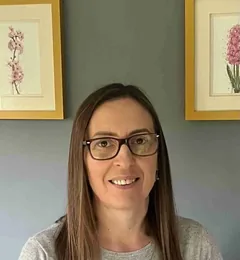
I'm Tracy Simpson, a Registered Member MBACP, and I offer counselling in Barnsley and online for many kinds of difficulty. You don't need a diagnosis or a crisis to talk to someone. Here are some of the areas people come to me about, each with more detail if you want it.
Areas of support
Anxiety
When worry won't switch off.
Anxiety →Depression
When low mood or hopelessness take hold.
Depression →Stress & burnout
When life demands more than you feel you can give.
Stress & burnout →Grief & loss
Bereavement, relationship loss, and major life change.
Grief & loss →ADHD & neurodiversity
Support for adults living with ADHD and related challenges.
ADHD & neurodiversity →Gambling
When gambling has become a problem.
Gambling →Trauma
Difficult or frightening experiences, recent or long past, at your own pace.
Trauma →Anger
When anger comes out too fast or too strong.
Anger →Low self-esteem
When the voice in your head is mostly harsh.
Low self-esteem →Relationships
For couples, or on your own about a relationship.
Relationships →General support, any time
These are open to anyone, whatever's going on for you, whether or not you're also thinking about counselling.
Questions people ask
Can I still get in touch if I'm not sure which of these fits?
Yes. You don't need to work out which category you fit into first. The free call is exactly the place to figure that out together.
Do I need a diagnosis to come to counselling?
No. You don't need a diagnosis or a crisis to seek counselling support.
Is it confidential?
Yes, within the standard limits of confidentiality, which I'll explain before we begin.
What counts as a mental health crisis?
A mental health crisis is when your mental or emotional state gets worse quickly, and you feel you can't cope or stay safe. You might be thinking about hurting yourself, or feel distress that is overwhelming. For urgent help, call 111 and choose the mental health option. If your life is at risk, call 999. NHS: where to get urgent help for mental health.
What should I do if I'm tired of life?
Please talk to someone today. If you're thinking about ending your life, call Samaritans free on 116 123, any time, or call 111 and choose the mental health option. If you're in immediate danger, call 999. If it feels more like a worn-out heaviness, book a GP appointment this week. You don't have to wait until it gets worse.
What should I do if I'm not doing well mentally?
Start by telling someone: a friend, a family member or your GP. You can also refer yourself to NHS Talking Therapies without seeing your GP first. Small things help too, like getting outside, eating regularly and keeping in touch with people. If you'd like to talk it through with me, a free 10-minute call is a good start.
How can I cope living with someone with a mental illness?
Look after your own wellbeing as well as theirs. It's easy to slip into being their carer and forget yourself. Carers UK offers advice for people looking after someone, and your GP can help too. Counselling on your own gives you somewhere to put the worry and the tiredness. You don't have to solve it for them.
What are the first signs of poor mental health?
Changes are often the first sign. You might sleep or eat differently, pull away from people, feel on edge or flat, or struggle to concentrate. Some people drink more, or stop enjoying things. If changes like these last more than a couple of weeks, or get in the way of daily life, talk to your GP.
What are the NHS five steps to mental wellbeing?
The NHS suggests five steps: connect with other people, be physically active, learn new skills and give to others. The fifth is paying attention to the present moment, which some people call mindfulness. They won't solve everything. Small, regular steps are easier to keep up than big changes. NHS: 5 steps to mental wellbeing.
Get in touch when you are ready
Book a free 10-minute call, or book a session directly. The call is optional.